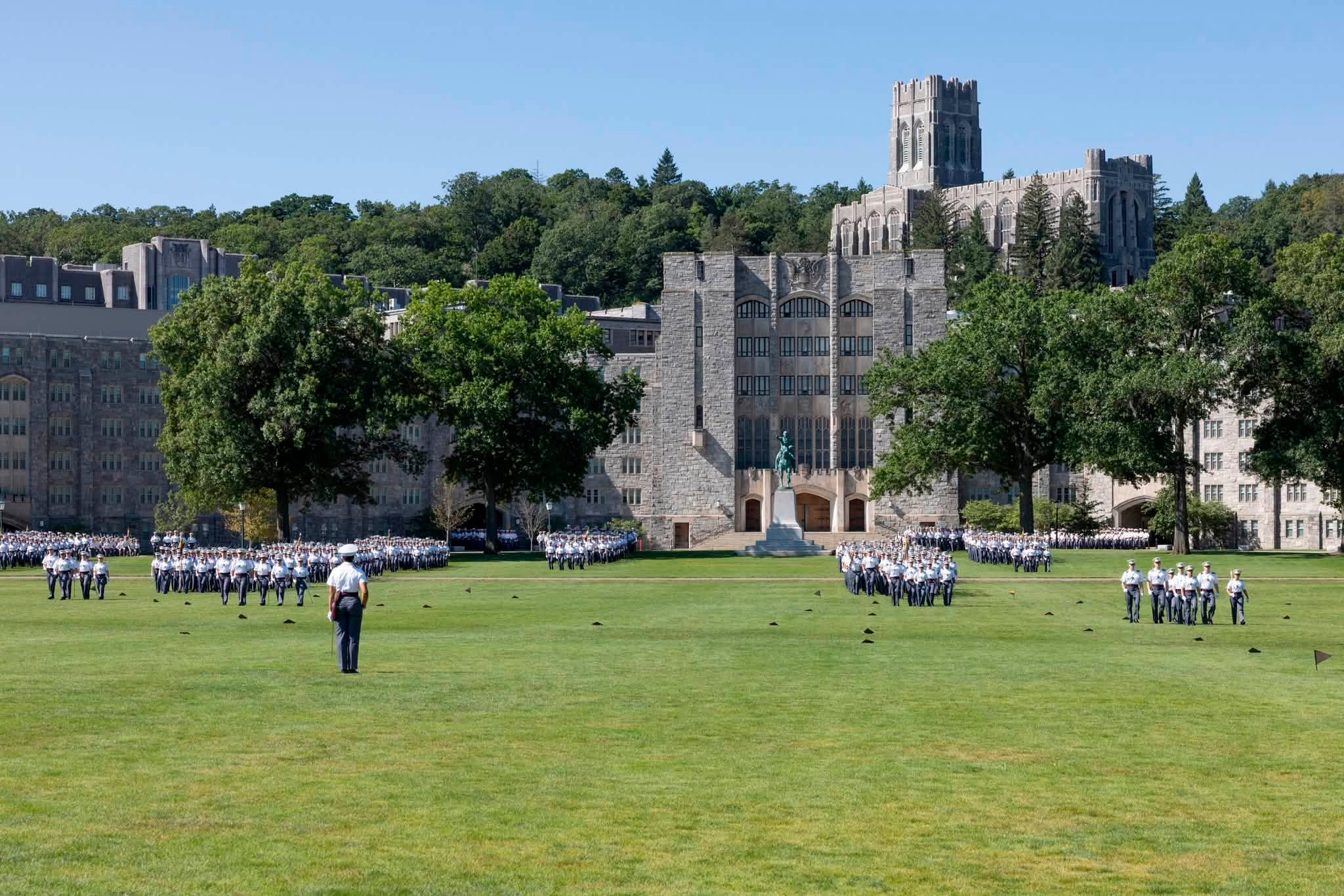
A judge in the United States District Court Southern District of New York issued a decision this month in favor a law professor suing West Point as part of a class-action lawsuit.
Bakken explained part of the reason he brought the lawsuit was because he felt the academic policy would diminish the credibility of West Point, since the public would know all information was being censored.
“Anybody who heard their speeches or read their writings would justifiably think that I don't know whether I'm getting what this professor believes is the truth. And I'm not saying anybody knows what the truth is, but we certainly try to engage in a process to obtain the truth. And therefore, if I can't believe what this professor is saying is one's belief of what is true then that leads to a lack of credibility not only with the professor but also with the institution,” Bakken said.
Bakken said censorship policies at military academies like West Point ultimately end up hurting national security.
“When you have a rule that says you can't speak without prior approval of a military administrator, the cadets who will become generals learn to speak according to a party line and that party line means that those people who will become generals and admirals will learn that conformity and blind loyalty and groupthink are the ways to go. And without even knowing it almost, people will not use their critical thinking abilities,” Bakken said.
Want more good news?
Find more news about resistance, victories, and hopeful trends: weekly Extra! Extra! posts from Chop Wood, Carry Water; biweekly Just Good News posts from the Americans of Conscience Checklist; and Your Daily Dose of Climate Hope - plus pro-democracy protest photos every day from Today's Edition Newsletter.